Foods for Sun Protection: What to Eat Before and After Sun Exposure
SPF is non-negotiable — but what you eat before and after sun exposure also plays a measurable role in how your skin handles UV stress. Certain foods for sun protection deliver antioxidants, fatty acids, and pigments that support your skin's resilience from within. Nutrition is a powerful inside-out complement to topical sun care. Here's what to put on your plate — and when.
How Diet Supports Skin Against UV Damage
What you eat directly influences how your skin responds to ultraviolet light. The connection is biological, not anecdotal.
FREE RADICALS, ANTIOXIDANTS, AND UV STRESS
UV exposure triggers the production of free radicals in the skin — unstable molecules that damage cells, break down collagen, and accelerate visible aging. Dietary antioxidants help neutralize this oxidative damage from inside the body. Food does not replace sunscreen. It complements it.
KEY NUTRIENTS THAT SUPPORT SUN-EXPOSED SKIN
Nutrient | Key Food Sources | Benefit for Sun-Exposed Skin |
Carotenoids | Carrots, sweet potatoes, bell peppers | Accumulate in skin; mild photoprotective effect |
Vitamin C | Bell peppers, cauliflower, leafy greens | Supports collagen synthesis and post-UV repair |
Omega-3 fatty acids | Salmon, nuts, avocados | Strengthens skin barrier; reduces UV-triggered inflammation |
Polyphenols | Green tea, grapes, blueberries | Protect skin cells against oxidative UV stress |
Lycopene | Tomatoes, watermelon | Linked to reduced UV-induced skin damage in research |
Foods to Eat Before Sun Exposure
Think of this as your pre-sun plate — nutrients to prioritize in the days and hours leading up to time outdoors.
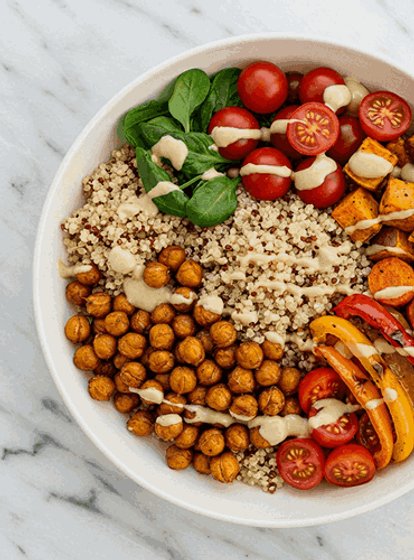
CAROTENOID-RICH FOODS : CARROTS, SWEET POTATOES, AND BELL PEPPERS
Carotenoids, including beta-carotene and lutein, are fat-soluble pigments that accumulate in the skin over time. Research shows they provide a mild but measurable photoprotective effect by absorbing UV light and neutralizing free radicals at the skin's surface. Top sources to add to your diet: carrots, sweet potatoes, and red orange yellow peppers.
LYCOPENE-RICH FOODS : TOMATOES AND WATERMELON
Lycopene is a powerful carotenoid found primarily in tomatoes and watermelon. A meta-analysis of clinical studies found that regular lycopene intake was associated with reduced UV-induced skin redness and damage. One practical detail: cooked tomatoes — in sauces, soups, or roasted — deliver significantly higher lycopene bioavailability than raw ones.
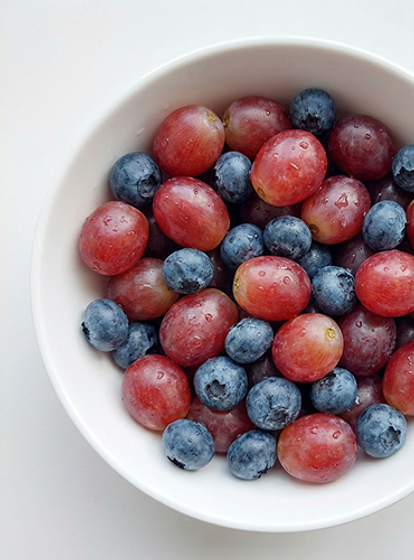
POLYPHENOL-RICH FOODS : GREEN TEA, GRAPES, AND BLUEBERRIES
Flavonoids and polyphenols found in green tea, grapes, blueberries, and pomegranate help protect skin cells against UV-generated oxidative stress. Researchers have found that regular consumption of green tea polyphenols, in particular, supports the skin's antioxidant defenses before sun exposure. These compounds work best as part of a consistent diet, not as a one-time boost.
OMEGA-3 FATTY ACIDS : SALMON, NUTS, AND AVOCADOS
Omega-3s and healthy fatty acids play a key role in maintaining the skin's barrier function. They help reduce the inflammatory response triggered by UV exposure, supporting skin comfort and resilience. Salmon, walnuts, flaxseed, and avocados are among the richest dietary sources.
Foods to Eat After Sun Exposure
After a day outdoors, your skin shifts into recovery mode. This is your post-sun plate — foods that support repair and rehydration from within.
Vitamin C is essential for collagen synthesis — the process your skin relies on to repair itself after UV-induced stress. Researchers confirm that dietary vitamin C supports the body's natural recovery pathways and helps counteract oxidative damage. Prioritize bell peppers, cauliflower, leafy greens, and citrus fruits in the hours and days following sun exposure.
ANTIOXIDANT-RICH FOODS FOR SKIN REPAIR : BLUEBERRIES, GRAPES, AND GREEN TEA
Antioxidants consumed after sun exposure help neutralize residual free radical damage that continues even after you step out of the sun. Blueberries, grapes, and green tea deliver concentrated polyphenols that support skin recovery, particularly overnight when the body's repair mechanisms are most active.
.png?rev=-1&cx=0&cy=0&cw=414&ch=560&hash=6738C29728F3E16F497B22FDAF4E2CD8)
HYDRATING FOODS : WATERMELON, CUCUMBER, AND WATER INTAKE
Sun exposure causes skin dehydration from within, reducing plumpness and comfort. Water-rich vegetables and fruits — watermelon, cucumber, celery — help restore hydration levels alongside regular water intake. Aim for at least 1.5 to 2 liters of water daily during summer, and increase if you spend extended time outdoors.
ASTAXANTHIN AND SUPPLEMENTS FOR POST-SUN RECOVERY
Astaxanthin is a powerful anti-aging carotenoid found naturally in salmon and available as a dietary supplement. Studies suggest it supports the skin's ability to manage oxidative stress after UV exposure. Supplements containing astaxanthin, vitamin C, or polyphenol compounds can complement a sun-protective diet — though whole foods should remain the foundation.
Combining Nutrition with Topical Sun Care: The Vichy Approach
Diet supports your skin from the inside — but topical protection remains essential. Broad-spectrum sunscreen is the frontline defense against UV damage. TheVichy SUNCARE range is formulated with dermatologist-recommended filters and Vichy Volcanic Water to protect and hydrate sun-exposed skin. Pairing daily SPF with a nutrient-rich diet is the smartest strategy for healthier, more resilient skin all summer long.
Your Skin, Your Plate: The Bottom Line
Eating the right foods before and after sun exposure supports your skin's natural defenses and recovery — and works best alongside daily SPF. Build your summer plate around carotenoids, lycopene, polyphenols, omega-3s, and vitamin C. Then pair that inside strategy with theVichy SUNCARE range for complete, inside-out sun protection.